
Storm Proofing Your Fence: How to Secure Your Garden Against High Winds
31 January, 2025
In the UK, storms bring high winds and heavy rain.
This means that, our fences have to be able to withstand a lot of battering!
If they’re not properly secured, or the correct protocols are not taken, then these conditions can result in loose posts, weak panels, rot and decay, or fence collapse.
So, below, we’ve shared our handy guide to storm proofing a fence. Keep reading to find our top tips for reinforcing and storm proofing your garden fencing.
Why is storm proofing important?
Storm proofing is an essential part of outdoor maintenance, and key to ensuring that your fence achieves its full predicted lifespan.
After all, fences are often the first victims of high winds and storms.
Fences usually stand as a windbreak in your garden, meaning they bear the full force of high winds. As a result, they need to withstand a lot of pressure.
With preventative reinforcements, you can minimise the risk of weather-related damage. This will keep costs and maintenance requirements lower in the long run, and keep your fence standing tall for many years to come.
What to avoid during storms
If you want to protect your fencing during a storm, it’s best to check all your fencing and ensure panels are secure and your posts are anchored to the ground.
However – whilst we some people would suggested leaning heavy items up against the fence to prevent panels from becoming loose, or be damaged – we DO NOT recommend this.
By leaning heavy objects up against your fence panels, (like a paving slab) you can cause more damage that the storm.
Leaning any heavy item up again a wooden or composite fence panel can damage the panel itself, and could even damage the posts that hold it in place.
So to avoid additional damage to your fencing, please DO NOT lean any objects on the fence – no matter what the neighbours are doing!
Best Ways to Storm Proof Fencing
To successfully storm proof fencing, our recommended steps are:
- Tighten all fixings, screws and nails, in both your fence panels and posts
- Use large posts, to give the fence maximum stability
- Opt for a high strength fence post material. Timber is typically a weaker material, which is more prone to storm damage.
For the panels themselves, invest in composite panels:
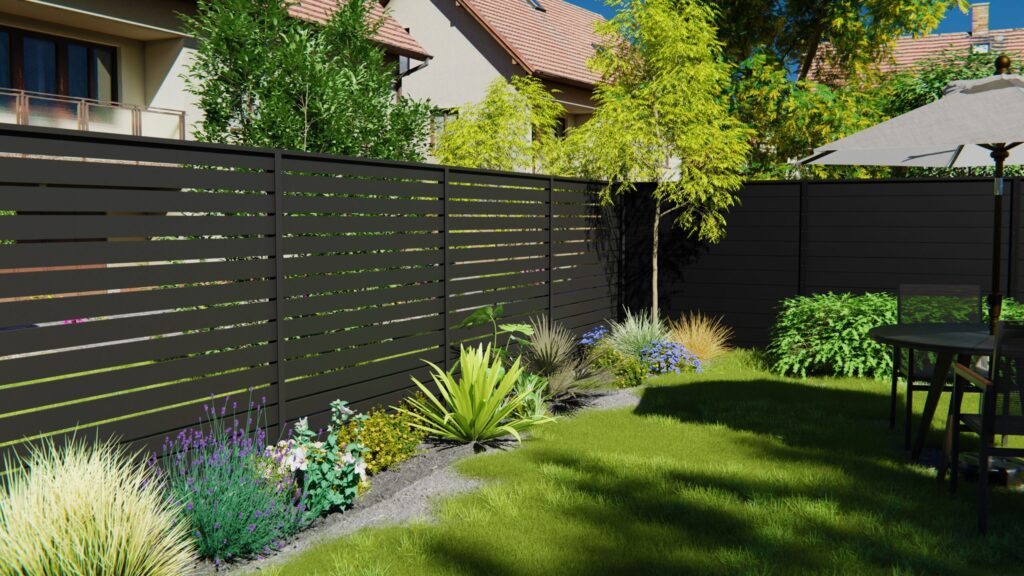
Composite panels are far more weather-resistant and durable than conventional timber panels. Use concrete footings to anchor the fence posts, and further increase stability.
If you have timber fence posts, protect the top of your posts with post caps (these will minimise the risk of rot and water damage).
Install gravel boards. These are designed to prevent your fence panels from sitting directly on the ground, thereby significantly reducing moisture absorption. At Barnard Fencing, our range includes both timber and concrete gravel boards, ensuring a seamless aesthetic for all fencing styles.
Generally, keep your fence well-maintained (we’ve covered this in more detail below).
Tips for further maintenance
With regular and thorough maintenance – not only before storms, but throughout the rest of the year, too! – you can further reduce the risk of weather damage.
Best practice fence maintenance includes:
- Regular inspection, in particular checking for signs of rot or warping
- Removing any dirt or debris from your fence
- Tightening of loose screws and fixtures
- Reapplying fence sealants or stains
- Ensuring any trees or plants that are near your fence are trimmed back
If your fence needs a storm proofing upgrade, Barnard Fencing is on hand to help.
We offer a wide range of products, including everything from premium quality new fencing, to gravel boards, post caps and more.
We also supply concrete fence posts, DuraPost fencing systems, composite fence panels, pressure-treated timber and many more.
If you’d like to find out more about our product range, don’t hesitate to get in touch.